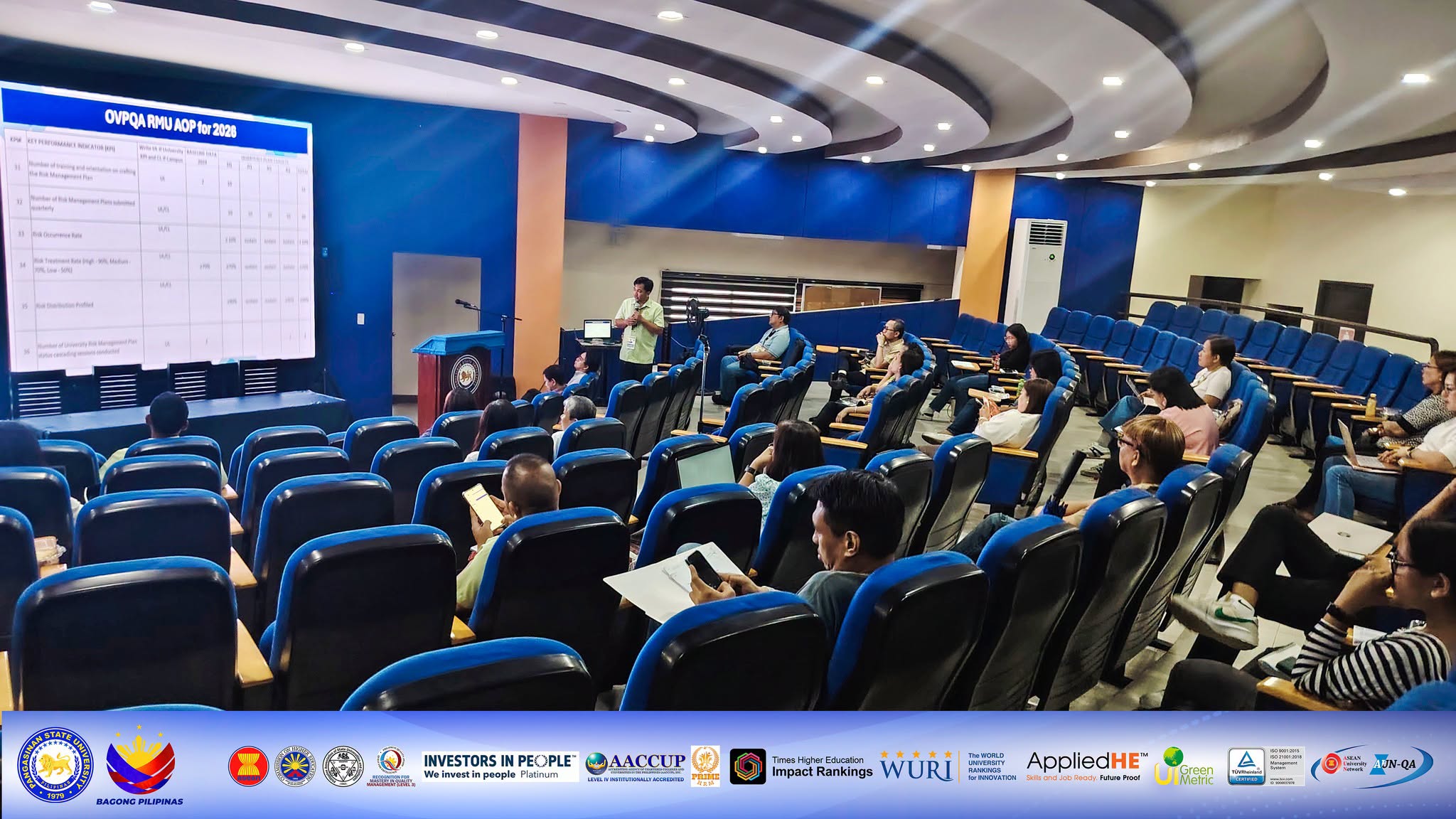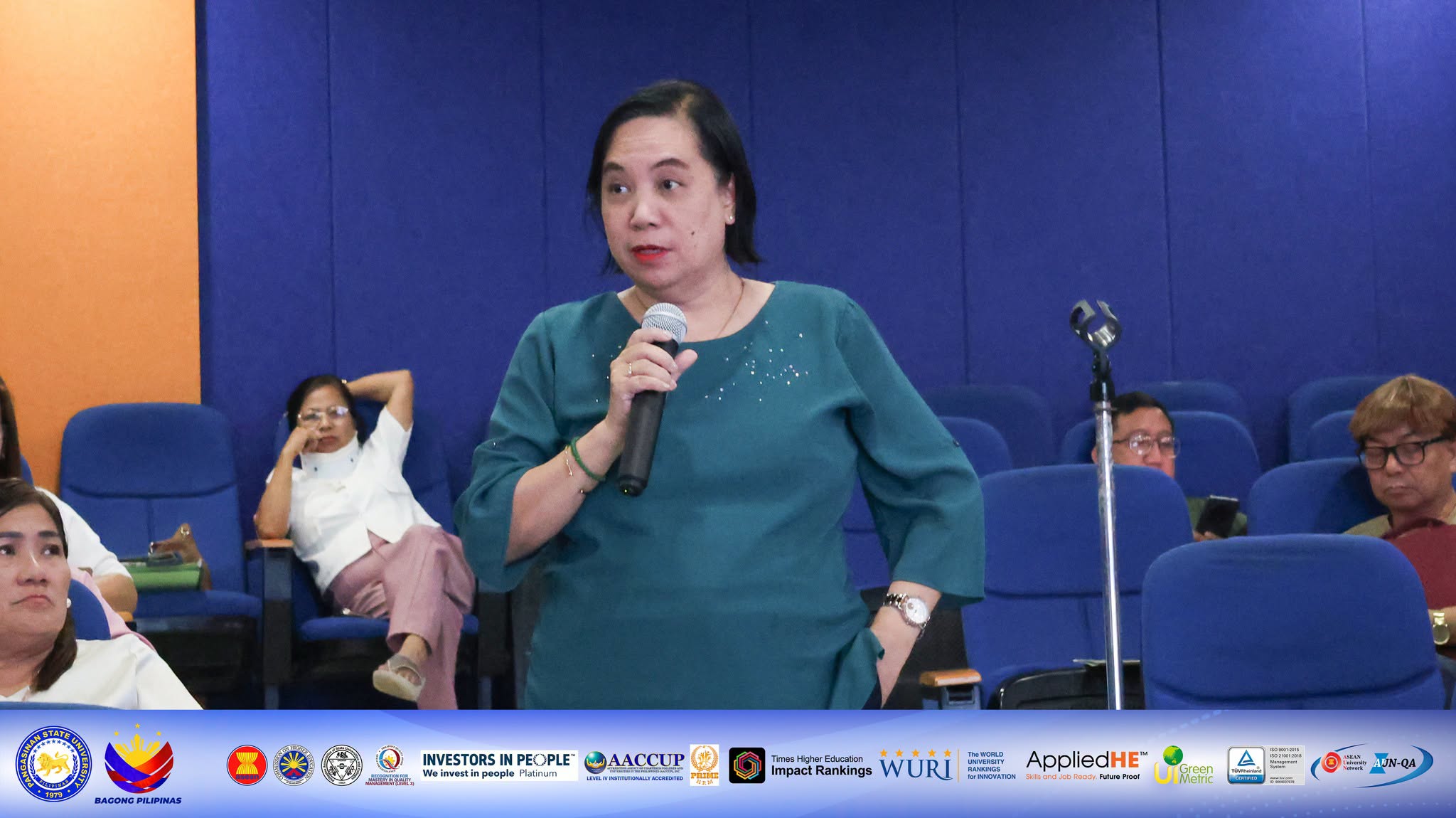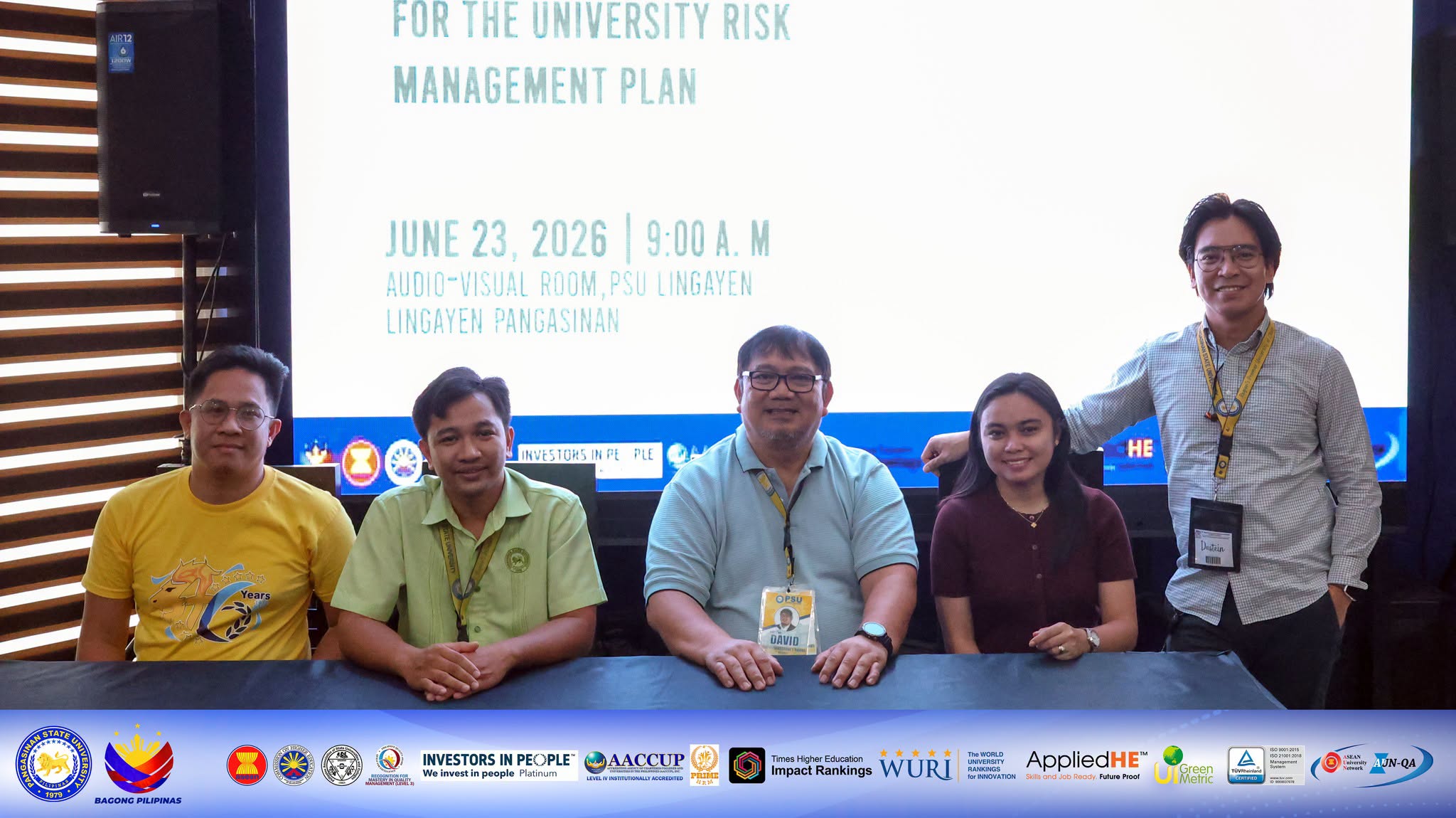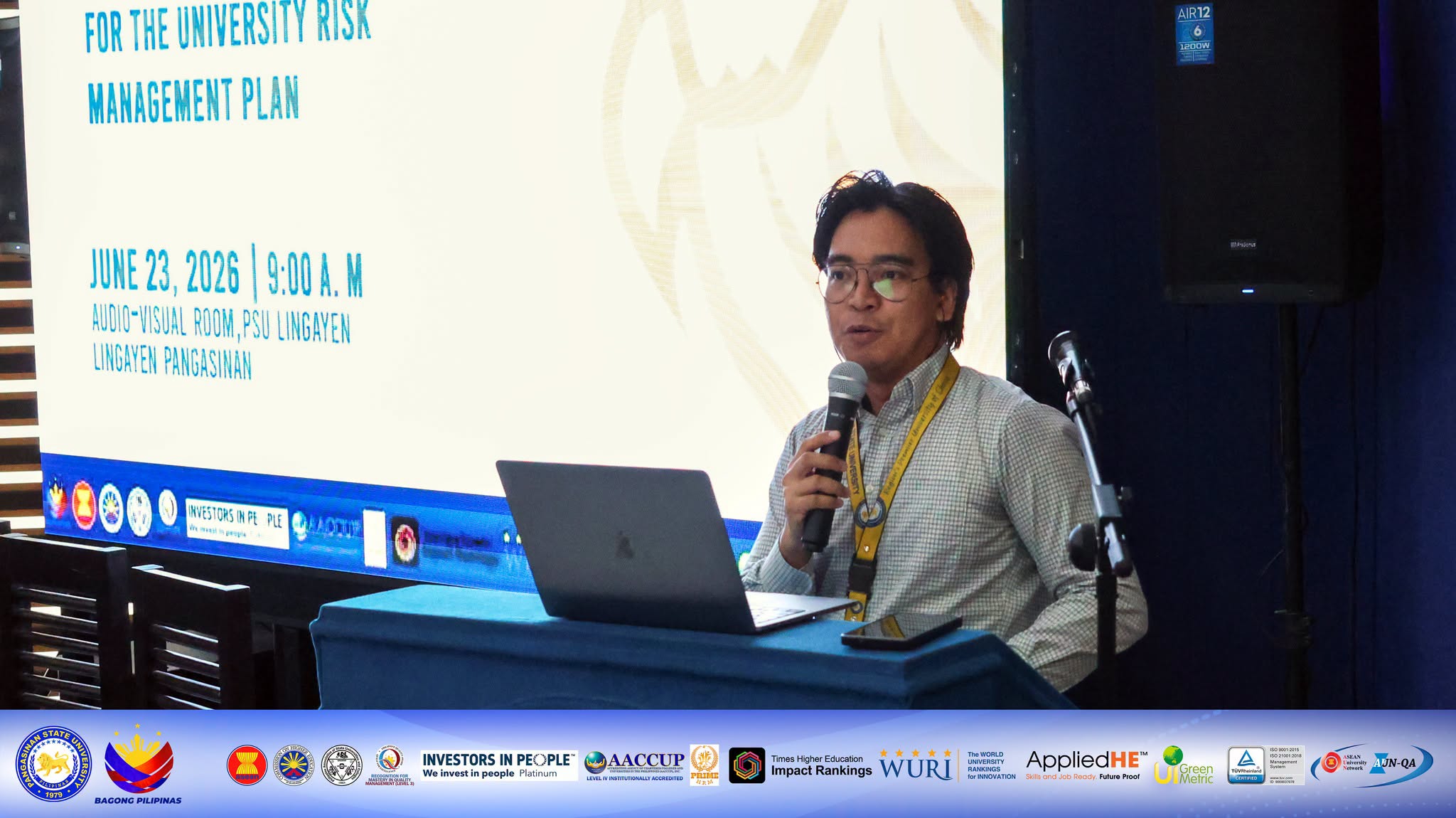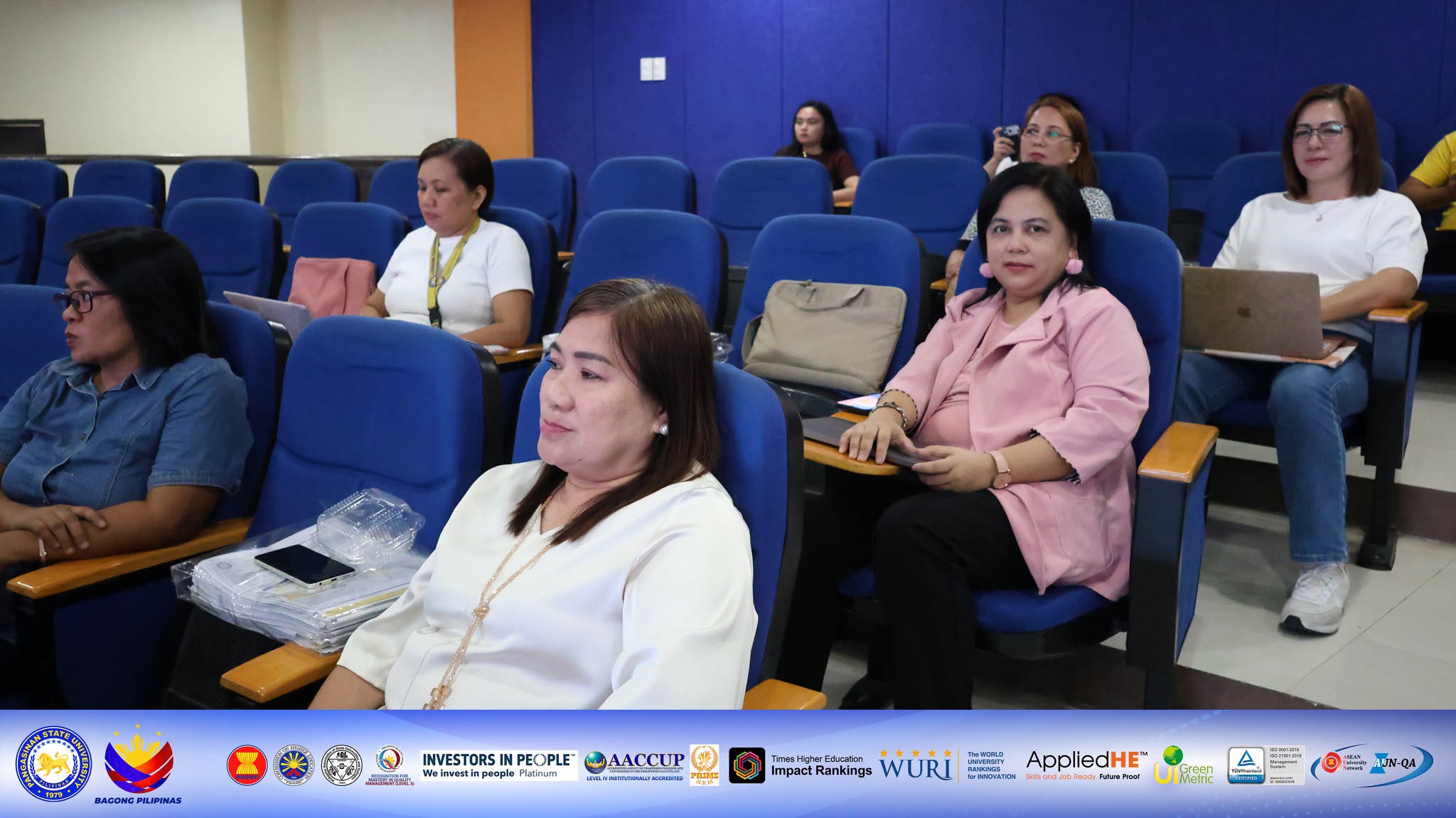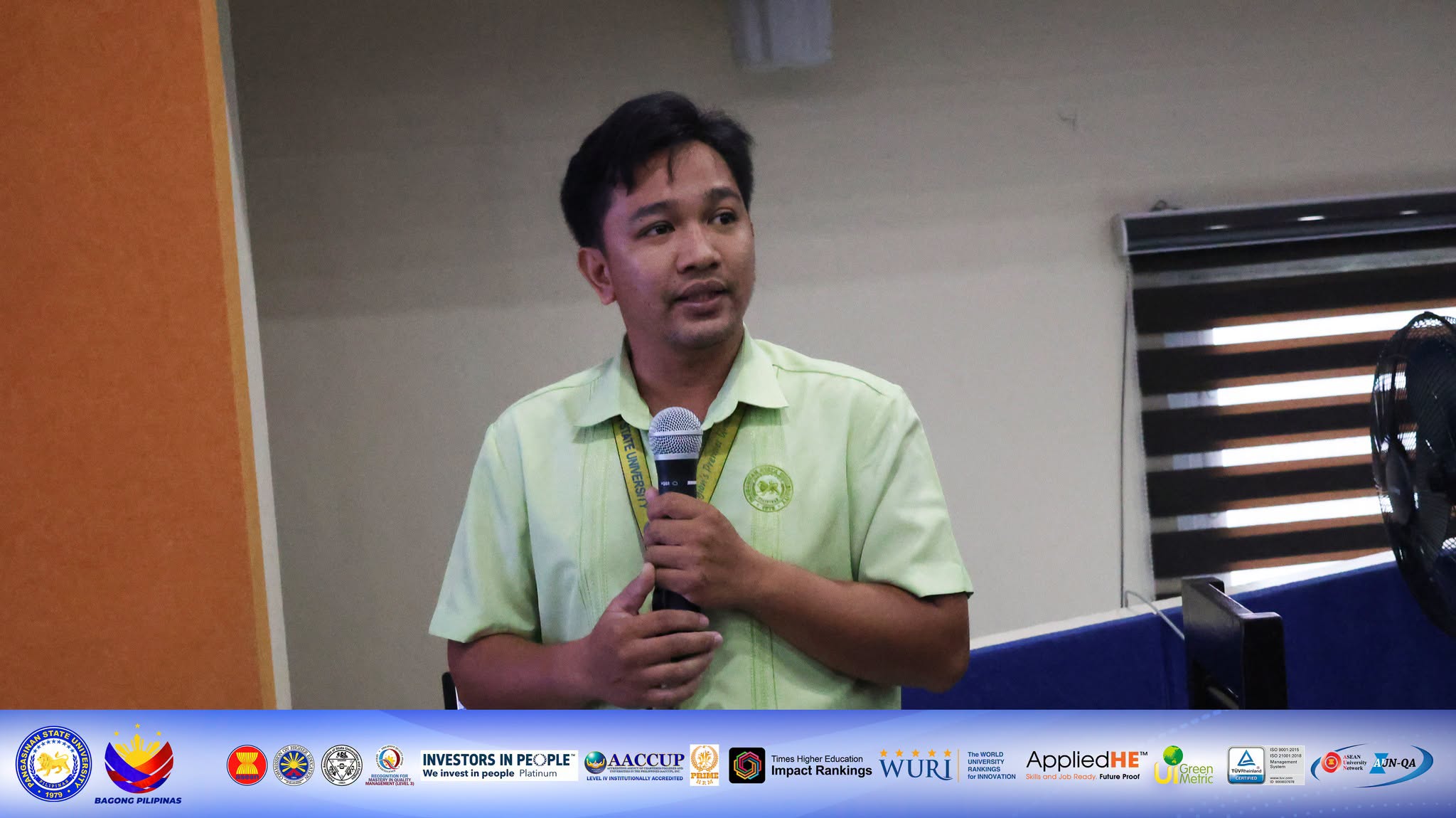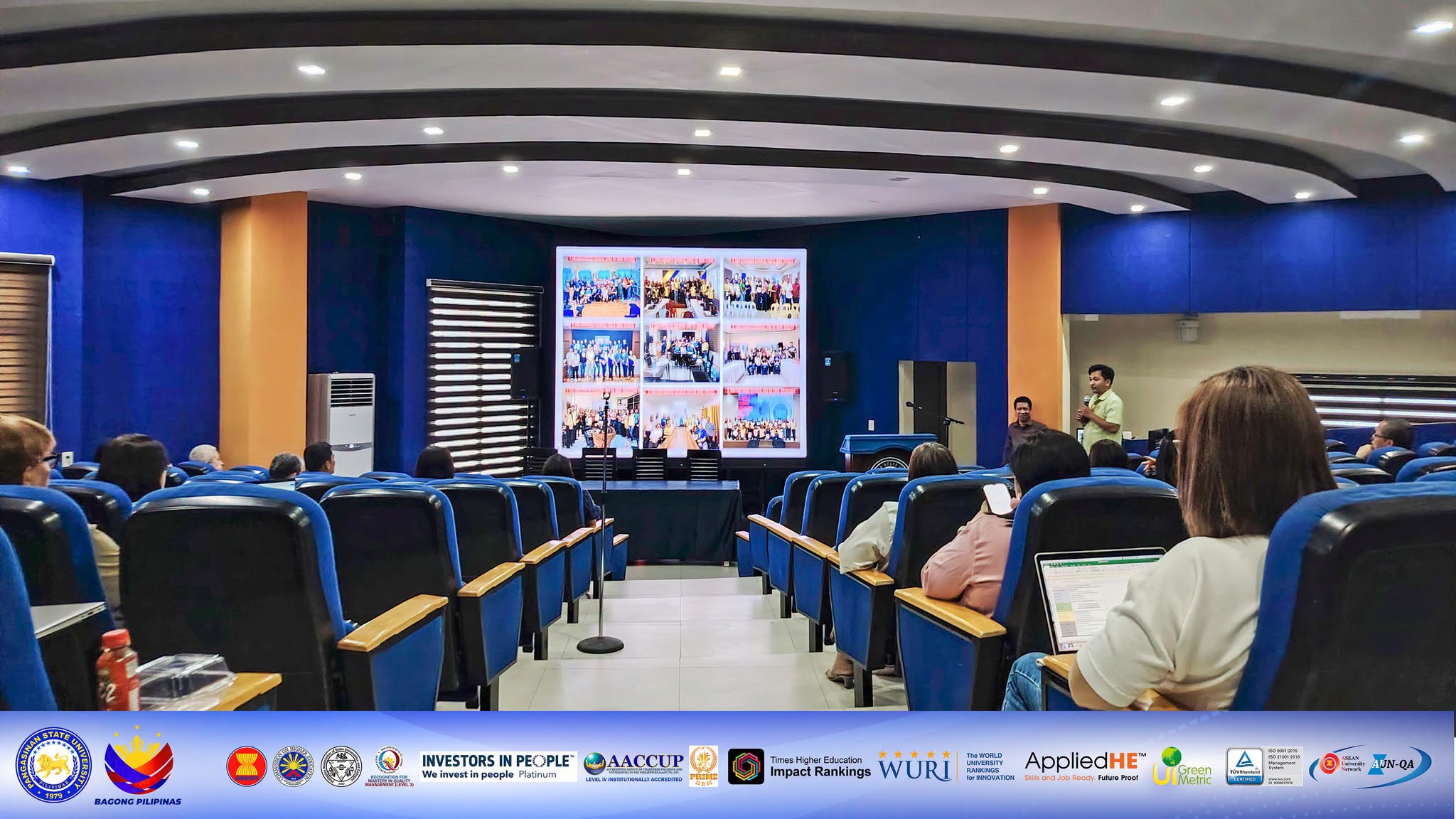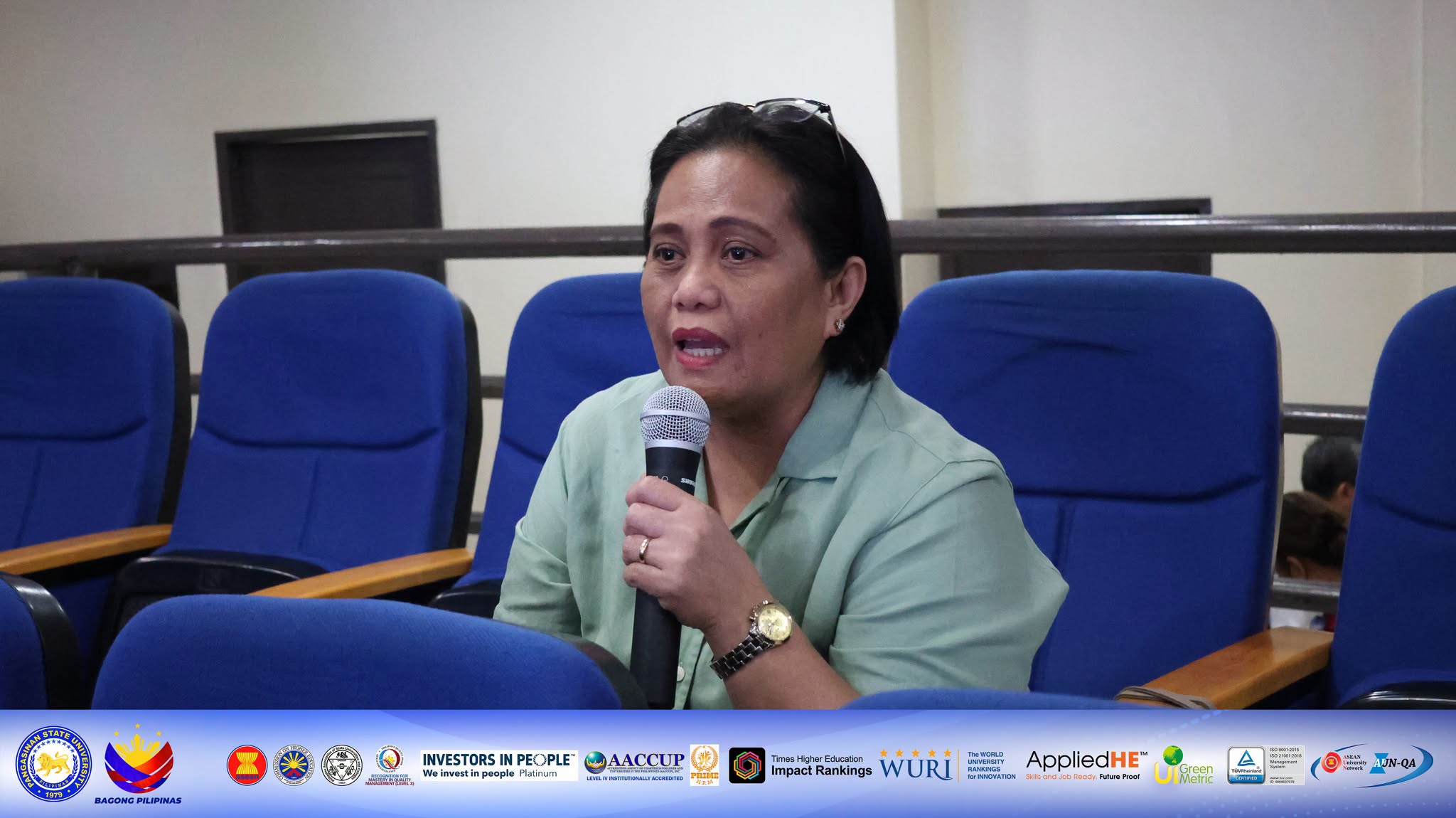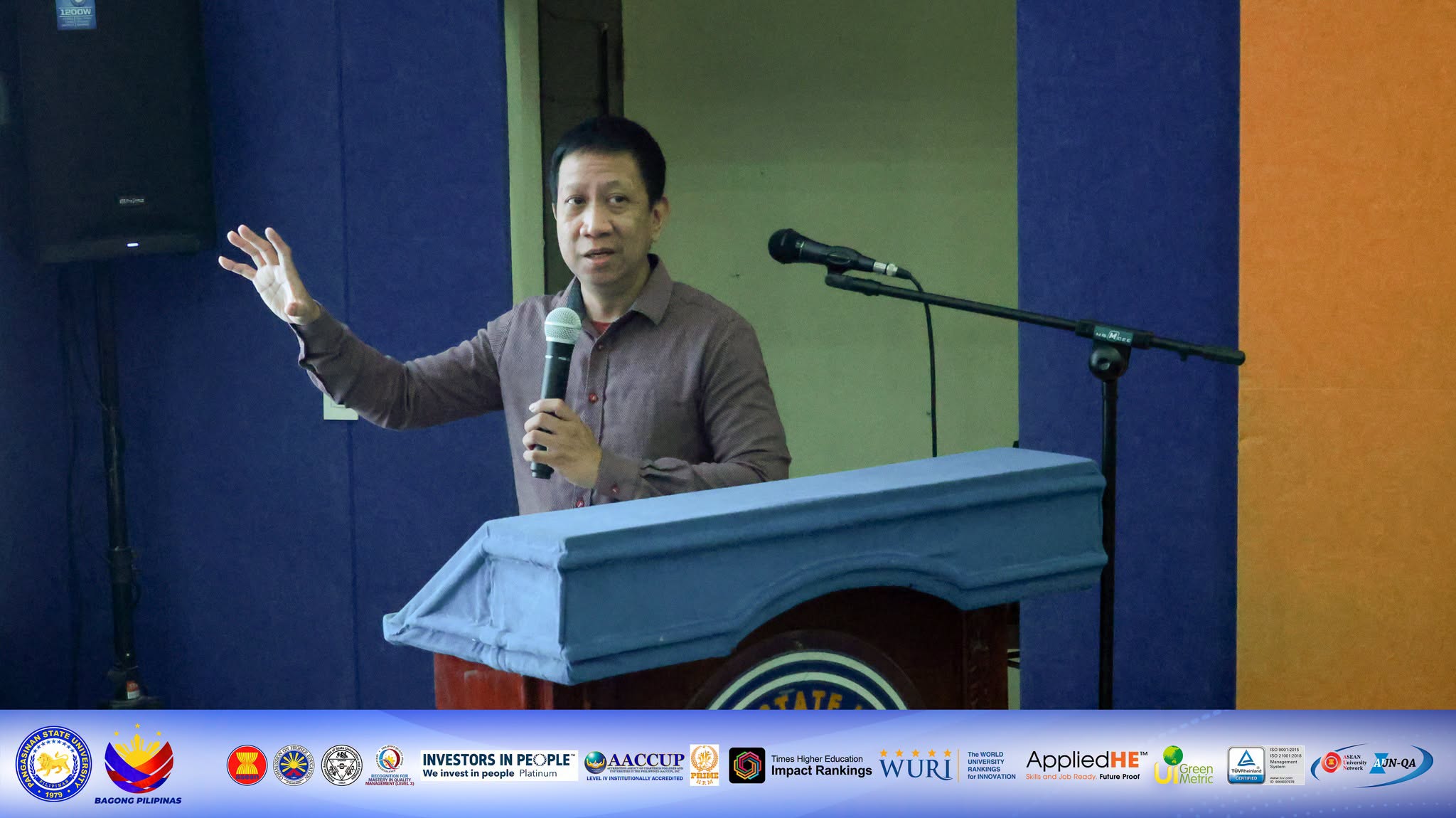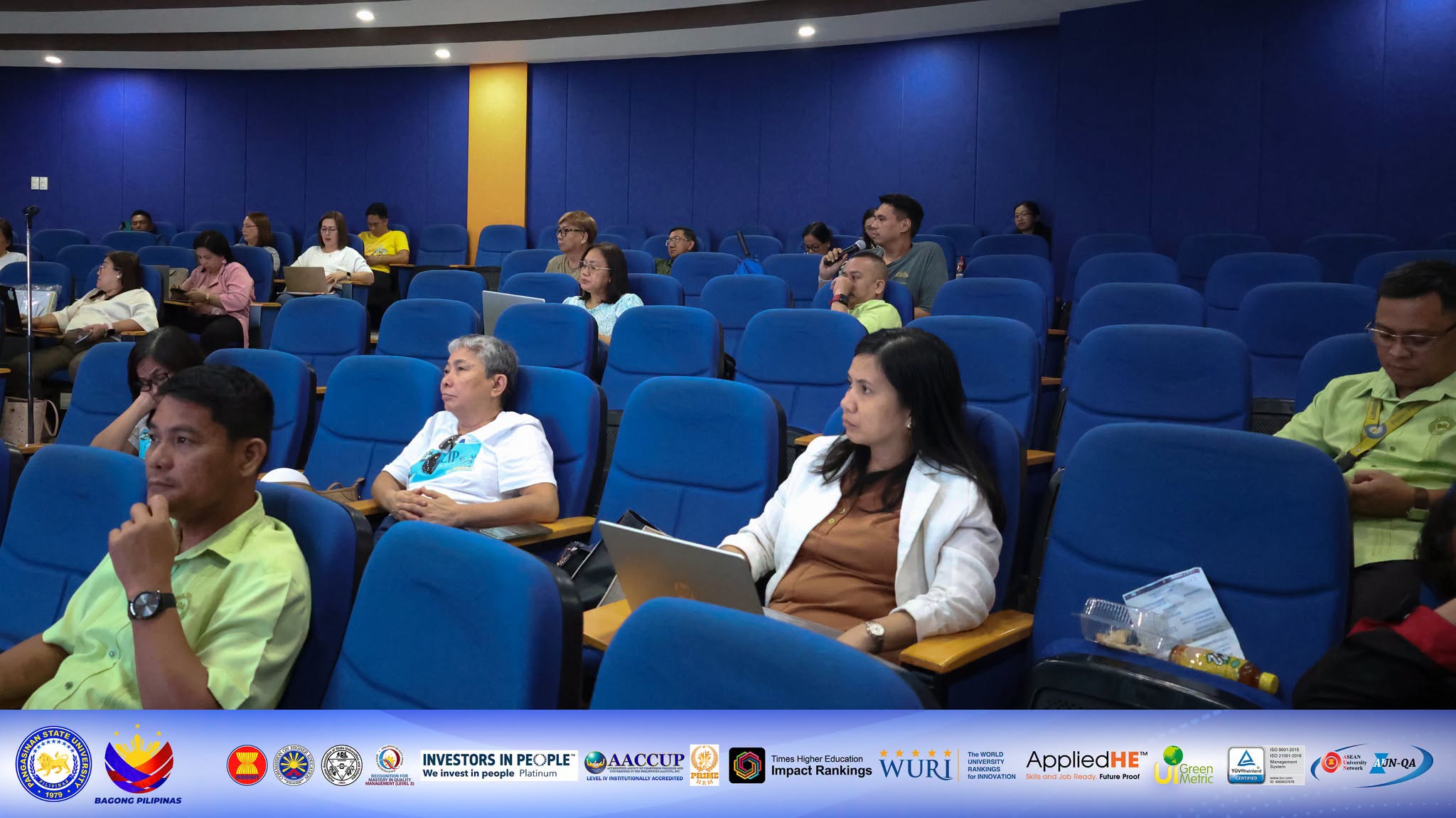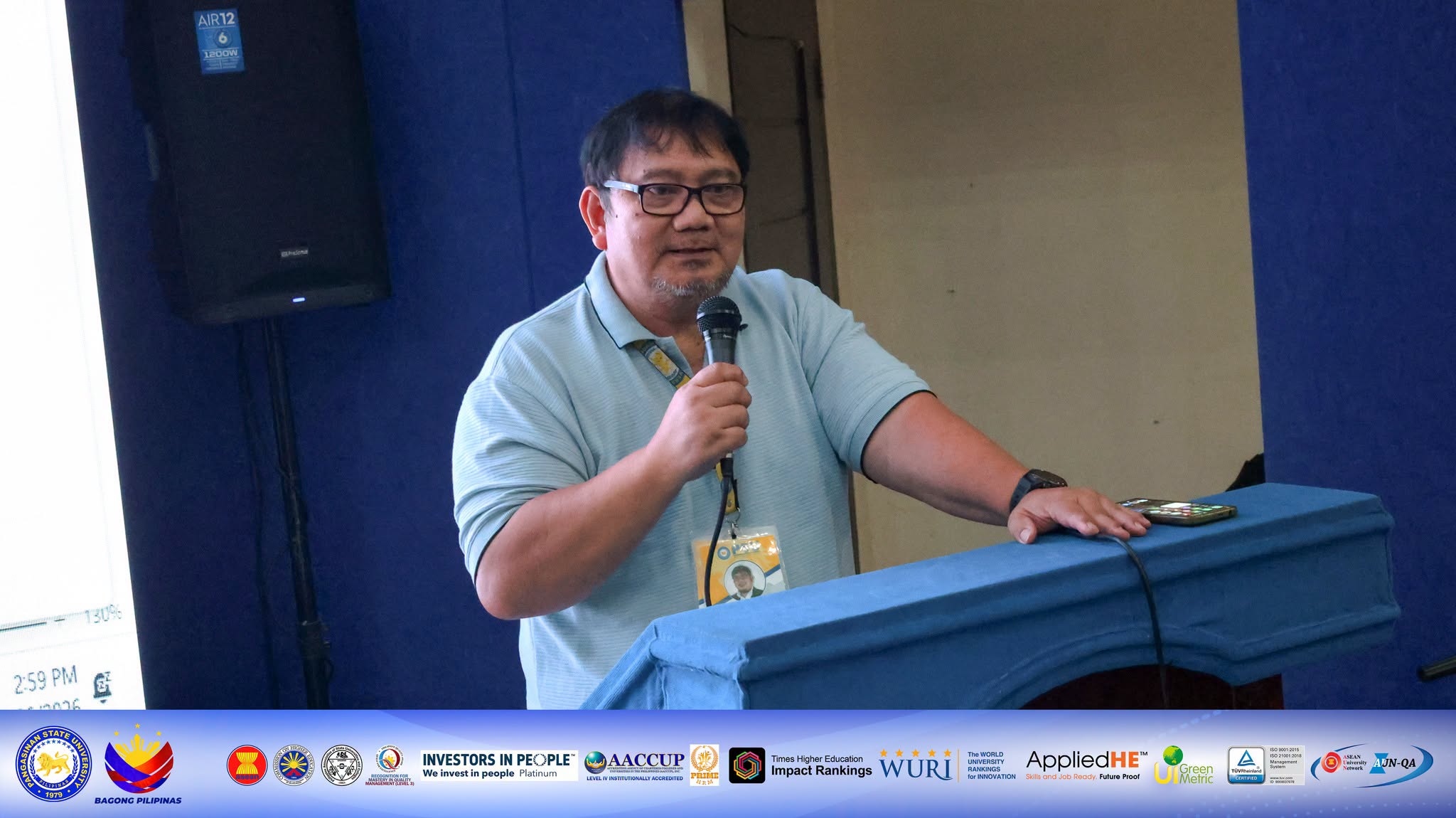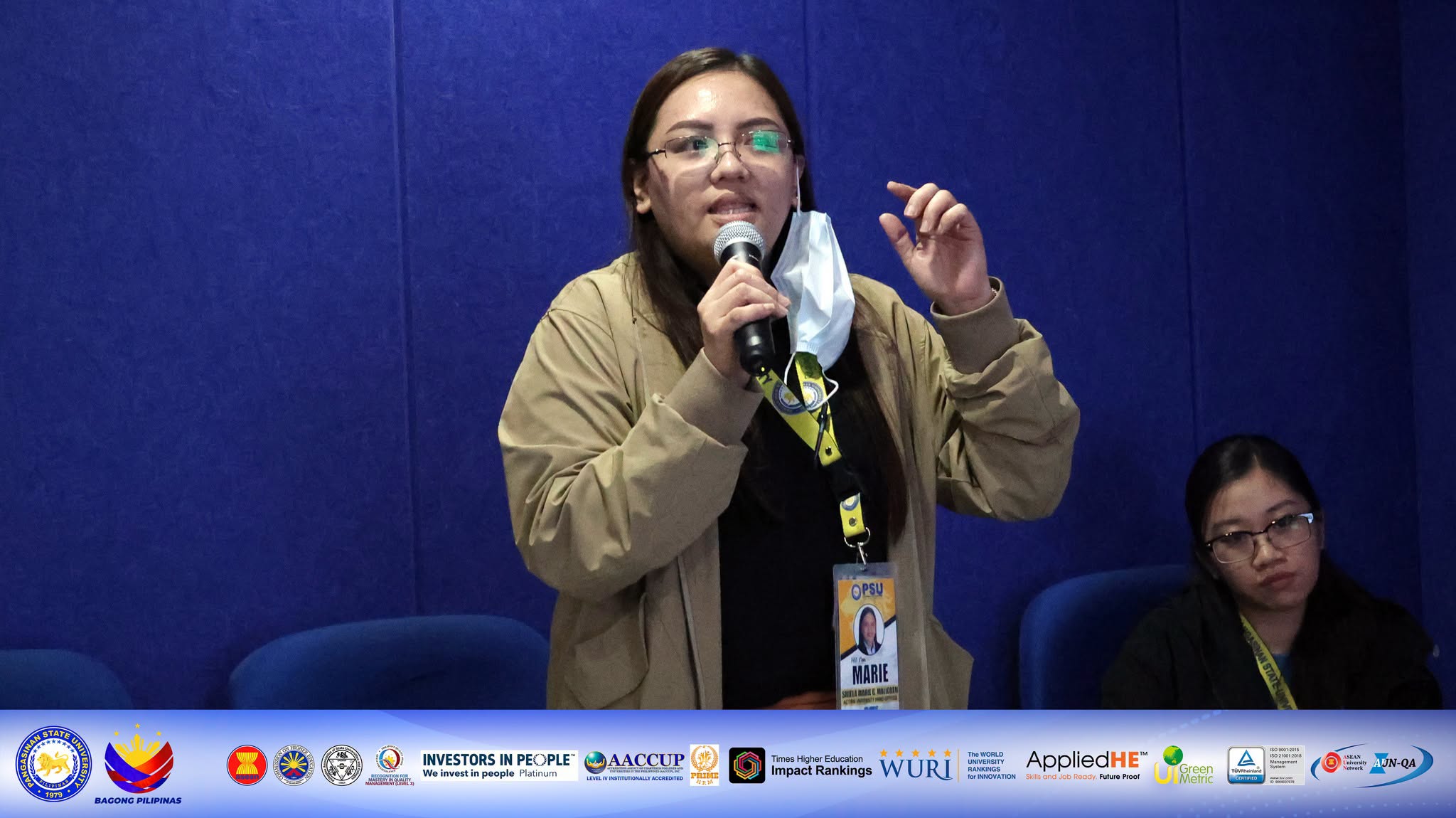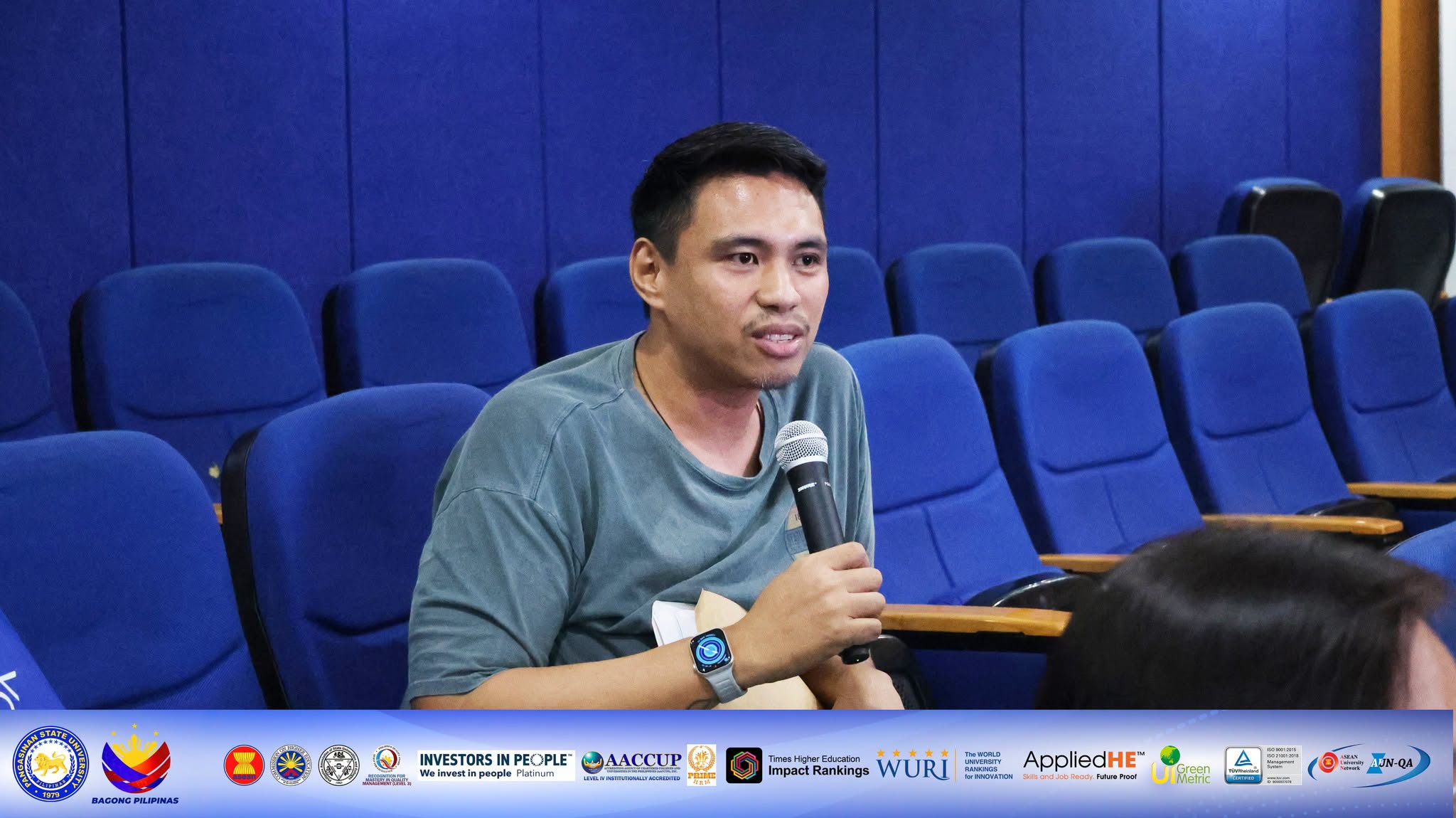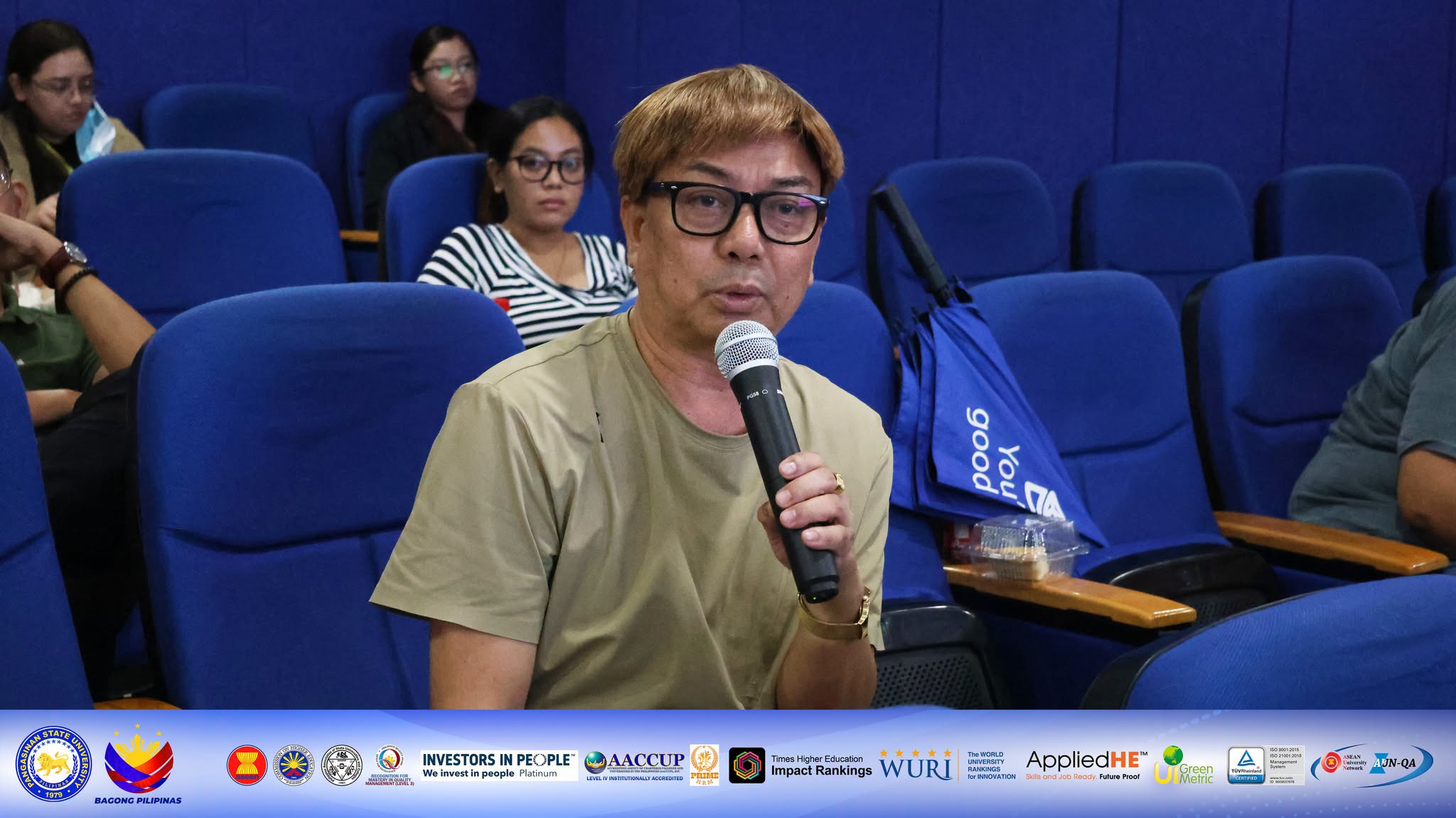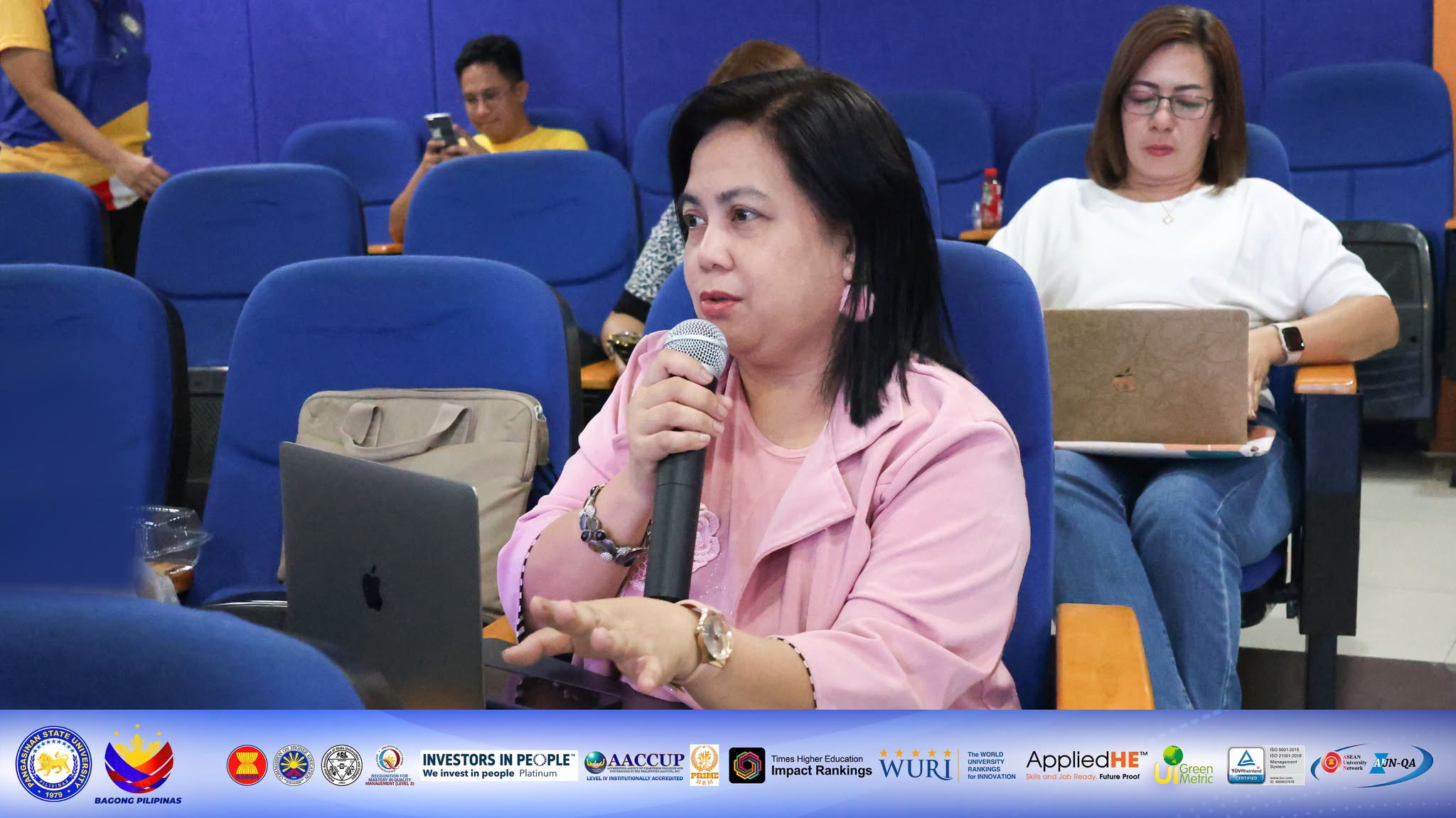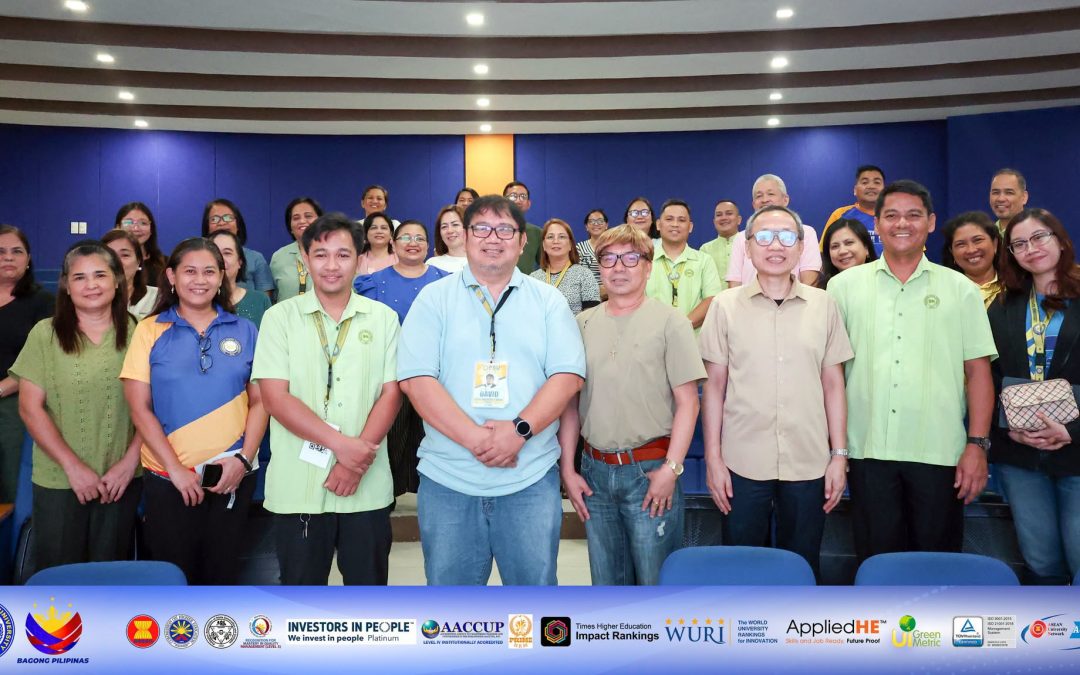
In its continuing pursuit of excellence in governance and institutional sustainability, Pangasinan State University conducted a Risk Management Orientation Workshop for process owners on June 23, reinforcing the University’s commitment to proactive risk identification, assessment and mitigation across its various units and operations.
The workshop, initially conducted in the Campuses this June, gathered designated process owners from the Main Office I Lingayen to deepen their understanding of risk management principles and their vital role in safeguarding the University’s strategic objectives.
Vice President Celeste T. Mercado of the Quality Assurance Unit said the activity served as a platform for participants to familiarize themselves with risk management frameworks, methodologies and tools essential in identifying potential risks and opportunities within their respective processes.
“In our case at PSU, our management system is already mature. But like in any other organization, we need to constantly improve and keep up with the times, which is why we need to identify and manage risks,” VP Mercado said.
Additionally, Dr. Randy Joy Ventayen of the International Accreditation Office, presented the EOMS/QMS Audit Finding pertaining to risk management for the information of the participants.
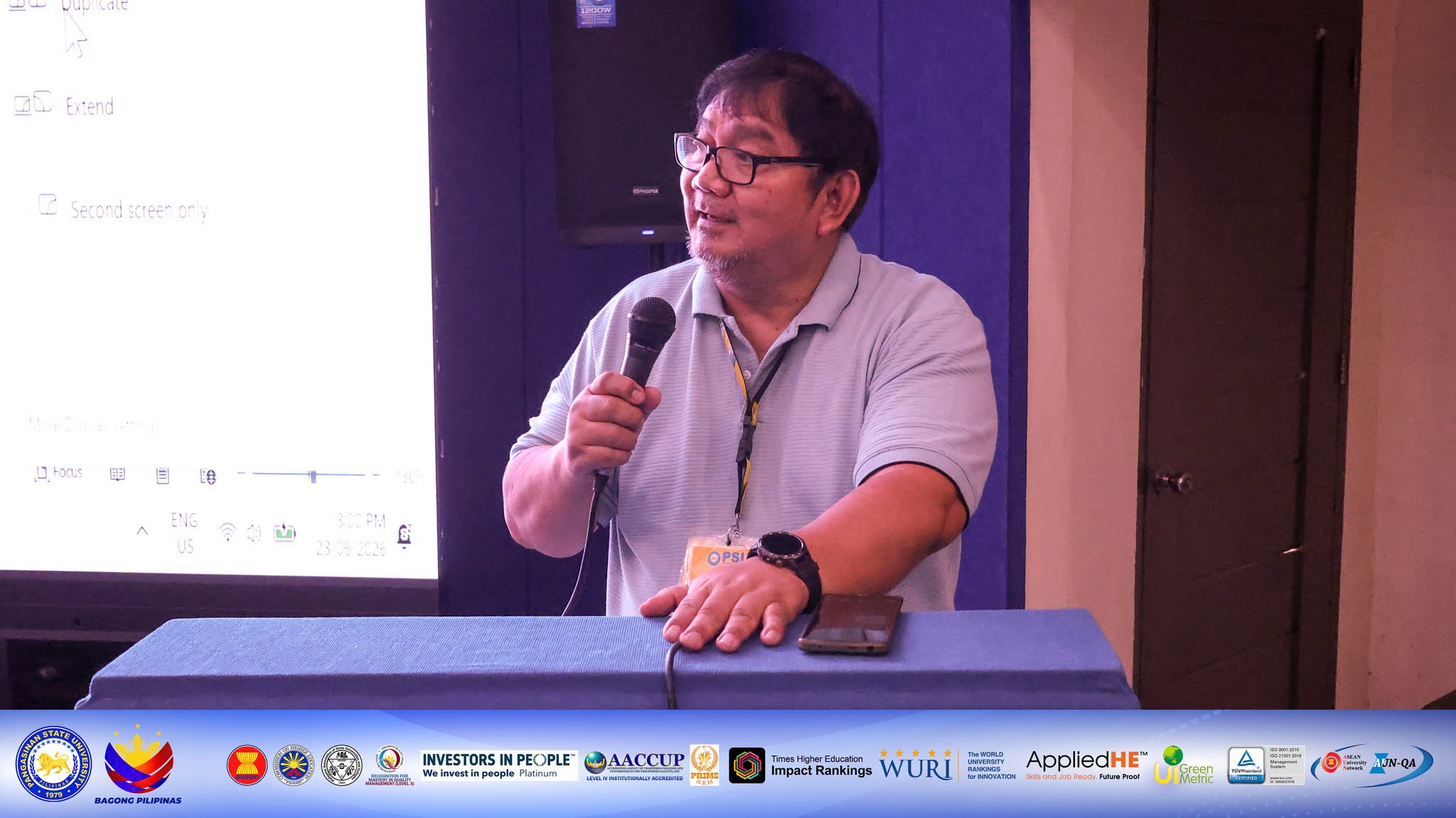
The Monitoring & Evaluation (M&E) Unit headed by University Director Dr. David Livingstone Ramos said the outputs from the activity will serve as inputs enhancement of the University Risk Management Process Manual and ultimately the University Risk Management Plan.
“Effective risk management is a critical component of good governance, quality assurance and organizational resilience,” Dr. Ramos quipped.
Meanwhile, Risk Management Unit Head Mr. Christian Paul Soriano presented the steps of the new template of the plan that include risk identification analysis criteria and action priority decisions.
Through the orientation, workshop, participants were equipped with the knowledge and competencies necessary to systematically assess risks, formulate mitigation measures, and integrate risk-based thinking into operational and strategic decision-making.